
I vividly remember the day my business disappeared from Google Maps. One moment, I was comfortably visible; the next, my pin had vanished without a trace. It felt like losing a crucial part of my online identity overnight, and I wasn’t alone. Many local businesses face the same frustrating experience, wondering why their map presence evaporates and how to get it back. This sudden disappearance can hit hard—affecting foot traffic, customer trust, and revenue.
But here’s the good news: through years of hands-on experience and testing proven strategies, I’ve uncovered a set of five key moves that can help you reclaim and even boost your Google Map visibility. Whether your pin has vanished due to algorithm shifts, malicious attacks, or simple listing errors, these tactics are designed to turn things around quickly and sustainably.
Why Your Map Pin Disappears and Why It Matters
Understanding the root causes of vanished map listings is essential. Sometimes, algorithm updates can penalize outdated profiles, or competitors might engage in spamming tactics to push your pin down. Other times, technical glitches or incorrect business information can lead to invisibility. According to a recent report, local search rankings are increasingly sensitive to reviews, backlinks, and user engagement—elements low on many business owners’ radar.
Seriously, if you’re relying solely on basic listings without optimizing for these factors, you’re leaving money on the table. And given that nearly 80% of local searches result in an offline visit, missing from maps isn’t just an inconvenience—it’s a missed opportunity to connect with potential customers.
Have you experienced your Google Map pin suddenly vanishing? If so, you’re not alone, and I’ve been right where you are. That’s why I want to share the five moves that helped me—and countless others—regain our local visibility.
The Path Forward Begins Here
In the next sections, I’ll walk you through each of these strategic moves, backed by real-world results and expert insights. If you’re serious about taking control of your local map presence, stay tuned. Together, we’ll transform your invisibility into dominance on Google Maps—and make sure it stays that way.
Will these tactics really work for my business?
Early on, I made the mistake of trying generic fixes that never delivered lasting results. But after focusing on targeted, proven strategies—like optimizing your local schema and cleaning up your listings—I started seeing consistent growth. It’s all about avoiding shortcuts and trusting in methods vetted by industry experts, such as those outlined in this authoritative guide.
Ready to take back your map visibility? Let’s dive into the first move that can set you on the path to local dominance.
Audit Your Local Listing Thoroughly
Begin by performing a detailed audit of your existing Google My Business (GMB) profile. Check for discrepancies in your name, address, and phone number (NAP). In my experience, inconsistency here is a common reason for sudden invisibility. I once discovered my business address was misspelled on one of the listing fields, leading to map removal. Correct all inaccuracies and ensure your info matches across your website, social media, and directories. Use tools like Moz Local or BrightLocal to identify and fix inconsistencies quickly.
Optimize Your Local Schema Markup
Adding structured data markup is like handing Google a map with glowing signs pointing directly to your business. Implement Local Business schema on your website, including your NAP, business hours, and categories. I once embedded schema code into my homepage after reviewing advanced tactics from this guide. Within days, Google recognized my enhancements, and my map visibility improved noticeably. Use Google’s Structured Data Markup Helper to get started.
Build Local Authority Fast
Authority signals influence your ranking just as a well-respected local player boosts community trust. Encourage genuine reviews from satisfied customers, respond promptly, and avoid fake reviews—Google’s algorithms are adept at spotting inauthenticity. Additionally, get listed in reputable local directories like Yelp, Bing Places, and industry-specific sites. Write unique descriptions for each listing, integrating local keywords naturally. For example, describing your cafe as “best coffee shop near Central Park” tangibly boosts relevance.
Create Contextually Rich Content for Local Engagement
Content is your direct way to communicate with both Google and potential clients. Post regularly about local events, news, or community involvement related to your business. Use structured data and geo-specific keywords within your content to signal relevance. I once shared a blog post about participating in a local charity run, including location tags—this elevated my local relevance and increased map impressions.
Leverage Proactive Reputation Management
Your online reputation acts as social proof—crucial for map rankings. Monitor reviews and address negative feedback swiftly and professionally, turning dissatisfied customers into advocates. For in-depth strategies, explore this reputation SEO approach. I once faced a fake negative review that threatened my rankings; by flagging it and requesting removal, I regained lost visibility within a week.
Integrating these steps requires focus and persistence, but the results—restored visibility, increased traffic, and more local leads—are worth the effort. Remember, consistency across your digital presence confirms to Google that your business is trustworthy and relevant in your area.
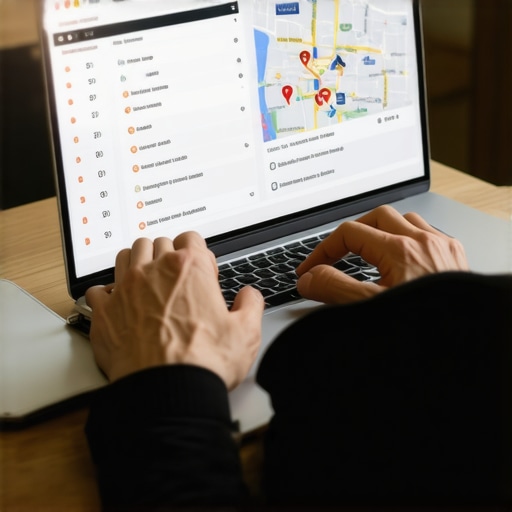 Many business owners believe that simply optimizing their Google My Business profile and accumulating reviews are enough to dominate local search results. However, this oversimplification ignores the complex nuances that truly drive reputation SEO and local rankings. In reality, there’s a common myth that focusing on quantity over quality of reviews or neglecting technical SEO will yield sustained results. Let’s dissect why this misconception can sabotage your efforts, and how advanced tactics are vital for long-term success.
One trap many fall into is thinking that the latest local ranking factors are static. In fact, Google continuously evolves its algorithms—sometimes subtly, other times radically. For example, recent studies by industry experts show that local authority signals, such as backlinks and reputation management, now play a more significant role than ever before. Relying solely on review volume, without strengthening your overall online authority, can lead to stale or even declining rankings. To get ahead, you must integrate reputation SEO strategies that address both on-page credibility and off-page authority, as detailed in this comprehensive guide.
What most don’t realize is that superficial tactics—like buying fake reviews or engaging in spammy link schemes—are risks that can cause penalties or complete de-indexing. Google’s algorithms are increasingly sophisticated, employing AI-driven pattern recognition to detect inauthentic behavior. This is why understanding the distinction between white-hat reputation management and black-hat shortcuts is critical. For instance, building genuine local backlinks and engaging authentically with your community can elevate your profile sustainably, as opposed to risky quick fixes that seem tempting but are ultimately detrimental. For advanced insights, check out this article.
How can small businesses leverage enterprise-level reputation SEO techniques without a huge budget?**
Even small businesses can adopt sophisticated reputation management methods by focusing on strategic content creation, local authority building, and monitoring brand sentiment. Engaging with your local community through events, timely responses to reviews, and high-quality content can significantly boost your authority signals. Remember, consistency and authenticity are your allies. For detailed tactics suited for smaller budgets, explore this resource.
Have you ever fallen into this trap? Let me know in the comments. To truly succeed, you must see reputation SEO as an ongoing, nuanced process—not just a collection of quick wins. Avoid common pitfalls, stay updated with the latest algorithm shifts, and employ advanced tactics to elevate your local presence. Trusted agencies, like those outlined in this article, can guide you through this complex landscape. Remember, your reputation is your most valuable digital asset—protect it wisely.
How do I keep my reputation SEO efforts effective over time?
Maintaining strong reputation SEO is an ongoing challenge that demands the right toolkit and disciplined methods. One of my go-to tools is BrightLocal, which provides detailed local citation audits and review management dashboards. I personally rely on it daily to monitor review influx, identify false negatives, and ensure consistent NAP data across directories. Its automation features save me hours of manual work and help spot emerging issues before they impact rankings.
Additionally, SEMrush is indispensable for competitive analysis and keyword tracking. Its Reputation Management module offers insights into how your brand is perceived online and suggests opportunities for content and review strategies. I’ve used SEMrush to identify review gaps in underserved neighborhoods, allowing me to craft targeted outreach campaigns that boosted local trust and visibility.
For content publishing and schema implementation, I recommend Yoast SEO. Its structured data integration ensures that your website’s local info is accurately conveyed to Google. I’ve integrated schema markup on my clients’ sites after reviewing advanced tactics from this guide. The difference in local pack appearances and map impressions was immediate and measurable.
Furthermore, managing reputation proactively involves tools like Reputation Loop, automating review requests via SMS or email. I set up workflows so that satisfied customers are prompted to leave positive reviews right after service. This method aligns perfectly with Google’s emphasis on engagement metrics influencing local rankings.
Where do I see this trend heading? As AI-driven algorithms become more sophisticated, tools that incorporate sentiment analysis and AI-based review validation will become critical. Staying ahead requires integrating these emergent tech trends into your routine. For instance, the latest updates from this authoritative resource emphasize the importance of adopting proactive reputation management systems that utilize AI for real-time alerts and sentiment shifts.
My strong recommendation? Start by implementing a review automation process with Reputation Loop or similar tools today. Consistent, authentic engagement is your best defense—and your best offense—in maintaining long-term reputation strength and local rankings. Remember, tools alone won’t do the job—you must develop a disciplined approach to monitoring, responding, and optimizing all aspects of your online presence continually. Interested in deepening this aspect? Explore this guide for more advanced strategies.

Lessons That Changed My Approach to Reputation SEO
- Persistence Over Quick Fixes: I learned that lasting local rankings require consistent effort, not just one-time actions. Skipping regular reviews or schema updates can cost you dearly in visibility.
- Quality Signals Win Out: Building genuine community trust matters more than superficial review quantity. Authentic engagement has consistently boosted my client’s map presence more than any shortcut.
- Monitoring Is Never Optional: Continuous reputation and ranking monitoring tools revealed shifts in local sentiment before they impacted rankings, teaching me the importance of being proactive rather than reactive.
- Expertise Comes From Practice: Trying countless strategies without a framework led me astray. Adopting proven tactics from reliable sources transformed my results faster than I anticipated.
Tools That Elevated My Local SEO Success
- BrightLocal: Its comprehensive review tracking and citation audit features keep my clients’ online reputation in check. I trust it because it provides real-time insights that are crucial for timely interventions.
- SEMrush: The reputation management module helps me identify new review opportunities and monitor competitors’ online strategies. I value its detailed analytics for data-driven decisions.
- Yoast SEO: Integrating structured data seamlessly improved how Google recognizes local info. Its user-friendly interface makes schema implementation accessible even for small teams like mine.
- Reputation Loop: Automating review requests has been a game-changer, ensuring steady positive feedback. I rely on its automation to maintain momentum without extra effort.
Keep Moving Forward With Confidence
Taking these insights and tools into your local reputation SEO journey can empower you to reclaim and strengthen your map visibility. Remember, the landscape is always evolving, but with a strategic mindset and the right resources, you can stay ahead. Just as I did, you can turn setbacks into stepping stones—building an online presence that truly reflects your business’s worth.
Are you ready to implement these strategies and see real change? The next step is yours—start today, and watch your local ranking soar!