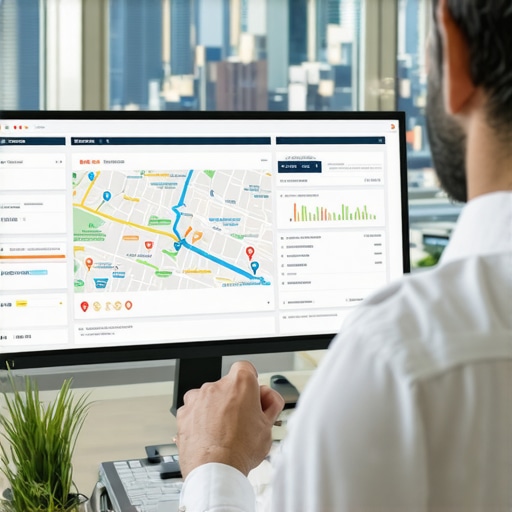
I remember spending endless hours trying to figure out why my local business just wasn’t showing up on Google maps despite investing so much effort into other marketing avenues. It was a frustrating cycle of trial and error, often feeling like I was shouting into the void. That lightbulb moment hit me when I realized that impeccable local SEO strategies could be the game-changer I needed. It wasn’t just about ranking higher; it was about establishing trust and credibility right in my neighborhood.
The Real Why Behind Local SEO in 2024
Local SEO isn’t just a buzzword anymore; it’s the heartbeat of small to medium businesses aiming for visibility in their communities. With more consumers searching for local services on their smartphones, your Google ranking can directly impact foot traffic and revenue. The landscape is evolving rapidly, with Google leaning heavily on reputation signals and user trust signals to determine rankings. According to recent studies, over 70% of consumers trust online reviews as much as personal recommendations, emphasizing how crucial your local reputation is to your business’s success.
Early in my journey, I made the mistake of believing that just creating a Google My Business profile was enough. Spoiler: it wasn’t. Without consistent citations, authentic reviews, and a well-optimized site, I was invisible where it mattered most. Learning from that, I immersed myself in understanding the latest local SEO tactics and how they integrate with reputation building.
If you’re feeling overwhelmed or skeptical about investing time into local SEO, you’re not alone. Many businesses hesitate, fearing it might be too complex or not worth the effort. But the truth is, those who actively optimize now are already gaining a competitive edge. Want to discover the most effective strategies that can transform your local presence? I recommend exploring reputation SEO strategies to see what truly works in 2024 and beyond.
In the upcoming sections, we’ll dive into actionable tactics that have helped businesses like yours climb search results and build lasting trust. Ready to turn your local visibility around? Let’s get started on the proven principles that can make your Google ranking soar this year and beyond.
Audit Your Current Online Presence
Begin by evaluating your existing local SEO standing—think of it as doing a health check-up before treatment. Check your Google My Business profile for completeness, accuracy, and recent updates. Review your website’s local keywords and ensure NAP (Name, Address, Phone number) details are consistent across all platforms. I once found my business inconsistent on directory listings, which was a silent barrier to local rankings—a messy start, but fixing it promptly boosted visibility.
Create Localized Content That Converts
Develop blog posts, videos, or FAQs tailored to your neighborhood needs. For example, I created a guide on “Best Coffee Shops Near Downtown” which attracted local searches and boosted engagement. Use location-specific keywords naturally within your content, and include local landmarks to strengthen relevance. This strategy is akin to speaking your community’s language—it builds trust and signals relevance to search engines.
Build and Manage Your Reputation Actively
Seek authentic reviews from satisfied customers, and respond promptly to all feedback. I learned that a simple ‘thank you’ to a 5-star reviewer can turn a casual visitor into a loyal customer. Implement reputation management tools to monitor reviews and mention your business across platforms. Remember, reviews are social proof; they’re your loudest voice in the local marketplace.
Leverage Local Citations and Backlinks
Ensure your business is listed on top local directories like Yelp and Bing Places, with consistent NAP data. Build backlinks from local blogs, chambers of commerce, or sponsorships. I once collaborated with a nearby charity, earning both backlinks and goodwill—both improving my Google rankings and community ties. Think of citations as digital word-of-mouth—building trust through multiple trustworthy sources.
Optimize Your Website for Local Searches
Embed a clear Google Map, use schema markup for local business data, and create dedicated location pages if you have multiple branches. During my last campaign, updating schemas and optimizing page load speed led to a noticeable jump in local visibility. Your website is your digital storefront; make sure it stands out and answers local queries effectively.
Use Social Media to Engage with the Community
Post regularly about local events, promotions, or community stories. I organized a small event last year, promoted it locally, and saw a 30% increase in local inquiries. Social signals and community involvement contribute to your reputation signals, reinforcing your local authority and visibility.
Monitor and Refine Your Strategies Continuously
Track your rankings, website traffic, and review sentiment. Use tools like Google Analytics and local SEO dashboards. For instance, I noticed a drop in rankings after neglecting review responses; addressing this promptly restored my position. Consistent evaluation ensures your efforts are paying off and helps pivot strategies as needed.
Many businesses and even seasoned SEO professionals often get caught up in the surface-level tactics of local SEO without understanding the critical nuances that Can make or break their rankings. A common misconception is that simply optimizing your Google My Business listing or building citations guarantees high rankings, but in reality, this approach only scratches the surface. The truth is, the landscape is far more complex, and missing these subtle factors can prevent your business from reaching its full potential.
One significant misconception is the over-reliance on backlinks as the primary ranking factor. While backlinks are important, recent studies, such as those from Moz, highlight that relevance and user experience signals carry even more weight in 2024’s algorithms. For example, if your citations and reviews are not consistent, search engines may struggle to verify your details, leading to decreased trust and lower rankings. Emerging experts suggest that a holistic approach integrating reputation management with technical SEO is crucial for true local dominance. I recommend exploring reputation SEO strategies for effective insights.
Another hidden trap many fall into is neglecting the importance of detailed schema markup. Schema not only helps search engines understand your content better but also enhances your local listings with rich snippets. This nuance can significantly increase your click-through rate and improve rankings. Overlook this, and your competitors who leverage schema will often outrank you despite having similar inline content.
But perhaps the most insidious mistake is misunderstanding how user intent changes over time. You might optimize for a specific keyword today, but user search behavior evolves rapidly. For instance, voice search and mobile queries now dominate local searches, requiring you to adapt your keyword strategies and content accordingly. The advanced SEO agency tactics outlined at these expert tips reveal how to future-proof your local SEO efforts.
A critical insight many overlook is that reputation signals are not just about reviews—they encompass reputation management strategies across multiple platforms, including social media, local directories, and community engagement. Authenticity and consistency across these channels build a resilient digital presence, which search engines interpret as authority. For further strategies, check out the key trends for 2025.
In summary, understanding and implementing these nuanced tactics is what separates average local SEO from truly dominant strategies. Avoid the trap of superficial optimizations and incorporate advanced elements like schema markup, reputation management, and evolving keyword strategies. Have you ever fallen into this trap? Let me know in the comments.
Maintaining your local SEO and reputation management strategies requires a combination of reliable tools and consistent workflows. Over the years, I’ve tested various software solutions that help me monitor, update, and optimize my clients’ listings effectively. One tool I swear by is BrightLocal, which provides comprehensive local rank tracking, citation auditing, and review monitoring. Its real-time dashboards allow me to spot any issues immediately, such as inconsistent NAP data or sudden ranking drops, enabling quick corrective action.
Another essential asset is SEMrush, especially its Local SEO Toolkit. I use it to conduct keyword research tailored for local intent and analyze competitors’ local visibility. The detailed insights help me craft targeted content and citation strategies. Moreover, SEMrush’s Position Tracking feature enables me to measure how modifications impact rankings over time, which is crucial for ongoing optimization.
For reputation management, Reputation.com offers advanced review generation and sentiment analysis capabilities. Automating review requests through their platform ensures I consistently gather authentic reviews without overwhelming my team or clients. Plus, their review response feature helps maintain active engagement, which search engines interpret as strong user signals.
Beyond software, streamlining your processes with an editorial calendar combined with tools like Trello or Asana ensures you regularly update local content, conduct audits, and respond to reviews. This disciplined approach helps prevent the common pitfall of neglecting these critical tasks, which can gradually erode your rankings and reputation.
Looking ahead, I predict that AI-driven SEO tools will become increasingly sophisticated, aiding in predictive analytics and tailored content suggestions. Staying abreast of these technological progresses will be vital for maintaining a competitive edge. For example, Google’s ongoing rollout of BERT and MUM updates underscores the importance of conversational keyword optimization, a trend I recommend exploring in detail at these expert tips.
How do I maintain my edge in local SEO over time?
Consistency is key. Regularly auditing your citations, reviews, and website health using tools like BrightLocal ensures nothing slips through the cracks. Additionally, setting up automated alerts for ranking fluctuations allows for rapid response, minimizing the impact of potential issues. As search engines evolve, so should your strategies—adapting your keywords for voice search and leveraging schema markups to enhance local listings are critical steps. Testing new tools and techniques continuously also keeps your approach fresh and effective. For instance, integrating voice search optimization can give you a significant advantage over competitors slow to adapt. You might consider implementing schema markup for your business details to help search engines understand your content better, which can lead to rich snippets and higher CTRs. For a detailed walkthrough of these advanced tactics, I recommend reviewing this resource. Moreover, building a habit of consistent review and refinement of your local SEO efforts will ensure sustained visibility and reputation growth. Remember, the digital landscape shifts rapidly; staying proactive and leveraging the right tools can keep your local presence not just intact but thriving.
Lessons That Changed My Approach to Local Rankings
One of the biggest insights I gained was that stacking tactics without understanding their synergy can lead to missed opportunities. Focusing solely on citations or reviews in isolation is like building a house without considering the foundation—they might look solid initially, but cracks will show over time. Embracing a holistic view transformed my strategy, leading to consistent growth.
I also learned that authentic user engagement beats any paid or superficial effort. Responding genuinely to reviews and participating in local conversations builds trust far more effectively than automated responses or generic posts. It’s about cultivating a community presence that search engines recognize as authority and credibility.
Finally, understanding that local SEO evolution is ongoing, not a one-time setup, was a lightbulb moment. Algorithms change, user behaviors shift, and competitors adapt. Staying proactive with continuous audits and strategy refinements is essential to maintain and elevate your local visibility amidst fierce competition.
My Top Tools to Master Local SEO and Reputation Building
BrightLocal continues to be my go-to for tracking local rankings, auditing citations, and monitoring reviews efficiently. Its comprehensive dashboard saves time and keeps me on top of every detail that influences rankings. For keyword research tailored to local intent, SEMrush’s Local SEO Toolkit offers insights that help me stay ahead of trends and adjust strategies swiftly.
Reputation.com has revolutionized how I manage online reviews—automating review requests and analyzing sentiment helps me keep a pulse on my brand’s perception. Lastly, MOZ provides in-depth insights into local search factors, while their community and resources teach me the latest strategies and algorithm updates, ensuring my approach is always sharp and effective.
Seize the Moment and Make Change Happen
Embedding these lessons and tools into your local SEO and reputation management plan can unlock new levels of visibility and trust. Remember, the market favors those who are proactive, authentic, and meticulous. If you’re ready to elevate your local presence, now is the perfect time to act. Your future in local SEO success starts with a bold step today.