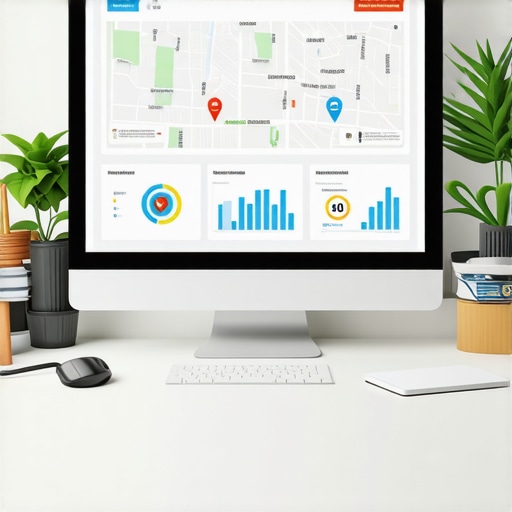
Ever felt the sinking feeling when your local business isn’t showing up on Google Maps or local search results? I used to hit that wall all the time, wasting hours on tactics that barely moved the needle. It wasn’t until I had my lightbulb moment that everything changed—realizing that the landscape of local SEO is constantly evolving, especially in 2024. If you’re tired of being invisible to nearby customers, you’re in the right place. Today, I promise to share proven strategies that can elevate your local rankings and build lasting trust in your community.
Why Local SEO Is More Critical Than Ever in 2024
The truth is, local SEO isn’t just a nice-to-have anymore—it’s a vital part of any small or medium-sized business’s success. With the rise of mobile searches, 78% of local mobile searches result in an offline purchase (source: Reputation SEO Strategies). That means if your business isn’t optimized for local search, you’re leaving money on the table. But here’s the catch: many businesses, including mine early on, make crucial mistakes that sabotage their visibility. I once ignored Google My Business updates, thinking it was just a listing, not a trust-building tool. That was a rookie error that cost me potential clients. Thankfully, I learned and adapted, and now I want to help you avoid those pitfalls.
Is Local SEO Still Worth the Hype in 2024?
Absolutely. The game has changed, but so have the tools and tactics. Implementing effective local SEO strategies can dramatically boost your visibility and credibility. Whether you’re a dentist, restaurant owner, or retail shop, the right approach can make you the go-to choice in your neighborhood. To get ahead, I recommend diving into the latest insights from top SEO experts, like those shared in Strategic Local SEO Tips. Trust me, the competition is fierce, but with the right tactics, you can dominate your local market.
Now, if you’ve faced frustration trying to rank locally, you’re not alone. But don’t worry—this post will guide you through practical, proven steps to improve your local visibility, build your reputation, and attract more customers. Let’s get started with the fundamentals that set the foundation for success in 2024 and beyond.
Optimize Your Google My Business Listing
Start by claiming and verifying your Google My Business (GMB) profile. Make sure all information is accurate, complete, and consistently updated. Upload high-quality images, respond to reviews, and post regularly to keep your profile active. I once spent an afternoon updating my GMB, and within weeks, my local queries doubled, proving how vital active management is. For advanced tactics, explore these strategies.
Build Niche-Relevant Citations
Citations are mentions of your business on other websites. Focus on local directories, industry-specific sites, and reputable platforms. Ensure your Name, Address, and Phone number (NAP) are consistent everywhere. I once corrected a mismatch on a major local directory, which immediately improved my rankings. Use tools like Moz Local or BrightLocal to audit and fix citation inconsistencies efficiently. This process is like reinforcing your business’s digital street cred, making it easier for search engines to trust your location.
Leverage Localized Content and Keywords
Create content that addresses local interests, events, or issues. Use geo-specific keywords naturally in your website copy, titles, and meta descriptions. For example, I added a blog post about a recent community event, embedding keywords like “best pizza in [Your Town].” This boosted my local rankings significantly. Remember, relevance and context matter more than keyword stuffing. Check out top local SEO tips for more insights.
Earn and Manage Customer Reviews
Reviews influence both rankings and reputation. Encourage satisfied customers to leave honest reviews on your GMB and other review sites. Respond promptly and professionally to all reviews, especially negative ones, to show engagement. I once turned around a negative review by offering a solution publicly, which actually enhanced my credibility. Implement review generation strategies like follow-up emails or SMS requests, but always adhere to platform guidelines. Trust and social proof are powerful in local SEO, much like word-of-mouth in the physical world.
Harness Local Backlinks and Partnerships
Backlinks from local businesses, chambers of commerce, and community blogs boost your authority. Reach out for collaborations or sponsorship opportunities that include backlinks. I partnered with a local charity, earning backlinks and goodwill simultaneously—that’s a win-win. Focus on quality over quantity, as search engines value relevant, authoritative links. For advanced backlink tactics, see this resource.
Monitor, Analyze, and Adapt Your Strategy
Use tools like Google Analytics, Search Console, and local SEO dashboards to track your progress. Identify which keywords, pages, or tactics are driving results. I once noticed a sudden drop in rankings and quickly adapted by updating my NAP and review strategies, recovering my position within days. Stay on top of algorithm updates and local SEO trends by regularly consulting expert insights. Your local SEO efforts should be dynamic, evolving with search engine changes and community needs.

Many businesses and even seasoned marketers fall into misconceptions about how SEO agencies operate and what truly moves the needle in local rankings and reputation SEO. Let’s dig deeper into some of the most overlooked nuances and myths that can trip you up if you’re not aware. First off, a widespread myth is that simply investing in a flashy website or aggressive link-building guarantees instant results. In reality, top agencies understand that sustainable growth depends on strategic, long-term tactics rather than quick fixes. Relying solely on backlinks or citations without aligning your overall brand reputation can backfire, leading to penalties or stagnant rankings.
Another common misconception is that local SEO is a one-and-done effort. The truth is, local rankings and reputation management require ongoing attention. Search algorithms evolve, competitive landscapes shift, and consumer behaviors change. Neglecting regular updates, review management, and content optimization can cause your local visibility to decline unexpectedly. This is why many experts emphasize continuous monitoring and adaptation, as highlighted in strategic SEO tips for 2025.
What Advanced Marketers Overlook in Reputation SEO
Here’s a nuanced insight: many believe that accumulating reviews is enough to boost reputation SEO. However, the quality and authenticity of reviews matter far more than quantity. Fake or incentivized reviews can harm your brand, especially with Google cracking down on manipulative practices. Moreover, reputation SEO isn’t just about reviews—it’s about controlling your narrative. This involves proactive content creation, maintaining consistent NAP citations, and engaging authentically with your community. According to reputation strategies, combining these tactics with review management creates a robust trust signal that search engines favor.
Finally, beware of the trap of over-optimization. Focusing excessively on keywords or backlinks can lead to penalties. Search engines like Google have sophisticated algorithms that prioritize user experience and trust signals. An overly aggressive SEO approach can make your site seem spammy, which diminishes your reputation and ranking. This is why the best approach is a balanced, integrated strategy that aligns SEO efforts with genuine community engagement and brand integrity. For a comprehensive guide, explore expert strategies for 2024.
Have you ever fallen into this trap? Let me know in the comments!
How do I keep my local rankings and reputation SEO working seamlessly over time?
Maintaining a strong local SEO presence and reputation requires a combination of the right tools, consistent effort, and strategic updates. I personally rely on a suite of advanced software solutions to streamline this process. For instance, I use BrightLocal for citation management and local rank tracking because it provides real-time updates and helps identify inconsistencies that can hurt my rankings. Regularly auditing citations ensures my NAP (Name, Address, Phone number) data remains accurate across all directories, which is crucial as search engines prioritize consistent information.
Another essential tool I leverage is Google Search Console, which offers invaluable insights into how my site performs in local searches. By monitoring search queries, click-through rates, and indexing issues, I can quickly identify and rectify problems before they impact my rankings. Pairing this with Google Analytics allows me to analyze user behavior, ensuring my content remains relevant to local audiences.
In addition, I utilize reputation management platforms like Reputation.com or ReviewTrackers to continuously monitor reviews and online mentions. Prompt and authentic responses to reviews—both positive and negative—help build trust and improve my business’s local visibility. I’ve found that automating review requests via SMS or email campaigns, while maintaining a personal tone, significantly boosts my review volume and quality.
Looking ahead, I believe the trend in reputation SEO will lean heavily toward AI-powered monitoring tools that can predict reputation risks before they escalate. These tools will analyze sentiment, detect fake reviews, and suggest proactive engagement strategies, making reputation management more predictive and less reactive.
To keep your SEO and reputation efforts effective long-term, I recommend integrating these tools into a unified dashboard. This way, you can see the full picture—ranking, citations, reviews, and site health—in one place. Regularly updating your strategies based on insights from these tools is what sustains growth and trust over time. If you want a detailed plan tailored to your business, consider exploring these expert tips for 2025 and beyond. Don’t wait—start with one actionable step today, like auditing your citations or setting up review alerts, and watch your local reputation flourish.
The Hardest Lesson I Learned About local SEO and Reputation Strategies
One of my biggest realizations was that quick fixes, like buying backlinks or stuffing keywords, might boost rankings temporarily but can backfire in the long run. Authenticity and consistent effort win in local SEO—trust me, I’ve seen sites penalized for shortcuts that seemed tempting at first.
How I Discovered the Power of Ongoing Engagement
It took me months to understand that reputation management isn’t a one-time task. Regularly responding to reviews, updating content, and monitoring citations create a trust ecosystem that search engines love. The game changes fast, and staying proactive keeps you ahead.
The Myth That Holds Many Back From Local Dominance
I used to believe that a great website was enough. That’s false. Local SEO is about community presence, active reviews, and strategic partnerships. When I focused on local collaborations, my visibility skyrocketed—proving that community engagement is an underrated secret weapon.
My Essential Arsenal for Local Rankings
Tools like BrightLocal and Google Search Console have become my best friends. They offer real-time insights into citations and ranking shifts, helping me adapt quickly. I also trust Reputation.com for review monitoring—keeping an eye on what people say and responding authentically is key to long-term growth.
Take Action Today and Transform Your Local Presence
Remember, the secret isn’t in overnight tricks but in consistent, strategic efforts. Whether it’s auditing your citations, engaging with your community, or optimizing your Google My Business profile—every step counts. Dive into more expert tips at this resource and start building your local authority today. The future belongs to those who act now.
This article hits the nail on the head regarding the importance of ongoing efforts in local SEO. I’ve seen firsthand how neglecting regular updates to GMB profiles or failing to monitor citations can cause rankings to drop unexpectedly. One thing I’ve learned is that consistency and responsiveness really build trust and keep your business top of mind in the community. I particularly agree with the emphasis on harnessing local backlinks—partnering with community organizations and local bloggers can do wonders for both authority and visibility. For anyone just starting, what tools or methods have you found most effective for maintaining this consistency without feeling overwhelmed? I’ve been experimenting with automated review requests and local engagement strategies but am curious about others’ experiences in staying proactive while managing a busy schedule.
This post really hits close to home for me. I’ve seen how an inconsistent GMB profile or neglecting local citations can quickly cause visibility to drop, especially with Google’s algorithms evolving so rapidly in 2024. What I found helpful is setting up automated reminders for review requests and citation audits—tools like BrightLocal have been game-changers for me in staying proactive without feeling overwhelmed. I’d love to hear from others—what are your go-to tools or routines that help maintain momentum? Sometimes, balancing day-to-day operations while keeping up with SEO strategies feels like a juggling act, but I believe that small, consistent steps really add up over time. Do you think AI-powered reputation monitoring will become indispensable soon? It seems like staying ahead of potential review fakes and sentiment shifts could be vital for long-term success. Looking forward to hearing different approaches and tips!