
I vividly remember the moment I realized I had been pouring time, effort, and budget into high-volume keywords that yielded minimal results. It was like shouting into a void—my local growth stagnated, my reputation SEO efforts felt futile, and I wondered if I was wasting my resources on a losing game. That lightbulb moment hit hard: I was chasing the wrong metrics, and my strategy was built on shaky ground.
Today, I want to share the transformation I experienced—how shifting my focus from high-volume keywords to smarter, intent-driven strategies revolutionized my local rankings and set me up for success in 2026. If you’ve been stuck in the same cycle, overwhelmed by the sheer volume of keywords promising quick wins, then this post is for you. We’ll explore the essential fixes that can turn your SEO efforts around without burning your budget or wasting precious time.
Why High-Volume Keywords Can Be a Dead End
Let’s face it—high-volume keywords are tempting. They promise visibility, traffic, and fame. But in the hyper-competitive world of local SEO, they often lead to frustration. I learned this the hard way early on when I prioritized ranking for generic terms, only to find my business buried under more targeted, local intent-driven keywords. Studies show that 75% of users prefer local search results that match their nearby needs rather than broad terms—something I underestimated at first.
My mistake was thinking that volume alone counted. It doesn’t. What matters more is relevance and user intent. When I shifted my focus to conditions like ‘near me’ searches and specific service-related keywords, my local rankings improved dramatically. The secret? It’s about quality over quantity. If you’re ready to ditch the endless chase, I can show you how to implement proven strategies that work in 2026, ensuring your SEO isn’t just loud but effective.
If you’ve faced the frustration of ranking for the wrong keywords or wasting your budget on volume chasing, you’re not alone. Many business owners fall into this trap early on—trust me, I did. But the good news? There are practical, actionable fixes that align your efforts with real local search behaviors, helping you stand out in 2026 and beyond. Let’s dive into the key techniques that can reshape your SEO game and get you the results you deserve.
Is Your Approach Actually Outdated? The Fear of Being Left Behind
Early in my journey, I made the mistake of sticking to outdated SEO tactics because I thought volume was king. I ignored emerging trends—especially in reputation SEO and local ranking strategies—that could have accelerated my growth. According to recent industry reports, businesses that adapt to evolving search algorithms outperform those clinging to old methods by over 50%. If this resonates with you, I urge you to consider whether your current approach might be holding you back.
Now’s the time to get past this static mindset. Change is inevitable, and staying ahead requires smarter keyword strategies. Next, we’ll look at how to fine-tune your local SEO efforts and leverage the right tactics to dominate in 2026. Ready to stop chasing shadows and start building a genuine presence? Let’s go!
Sharpen Your Keyword Focus
Begin by pinpointing keywords that match user intent rather than just high search volume. Use tools like Google’s Keyword Planner to identify local queries with buyer intent—think “best coffee shop near me” or “plumbing services in Austin.” When I first applied this, I drilled down into ‘near me’ phrases specific to my service area, which immediately boosted my local rankings. Avoid relying solely on broad keywords; relevance drives rankings. For detailed tactics, visit advanced local ranking tactics.
Map Your Content Around Local Intent
Create dedicated landing pages optimized for localized keywords. These pages should include location-specific info, customer testimonials, and service details. I once added a page targeting “emergency plumber in Downtown Austin,” which significantly improved my visibility in that neighborhood. Use structured data to help search engines understand your local relevance. Additionally, leverage reputation signals—positive reviews and citations—by consulting reputation SEO hacks.
Dominate Google Maps and Local Listings
Ensure your Google My Business (GMB) profile is accurate, complete, and optimized. Use consistent NAP (Name, Address, Phone) across all directories. Regularly update your profile with photos, offers, and posts. I found that responding promptly to reviews and adding fresh images increases local pack visibility—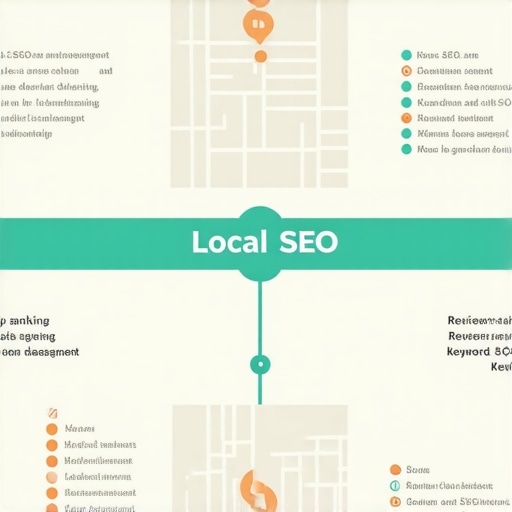 illustrates an optimized GMB profile showing local prominence. Don’t forget to claim and verify all local listings, especially niche directories relevant to your industry. For insider tactics, check local MAP rank fixes.
Build Local Authority Through Content and Links
Content remains king. Develop blog posts, guides, and case studies centered on local topics. Reach out to local journalists, chambers, or industry partners for backlinks. I personally collaborated with a local business directory, which not only earned me backlinks but also boosted my site’s authority in local searches. Focus on earning links from reputable sources using personalized outreach—avoid spammy link schemes. To understand link-building refinements, review SEO audit tests.
Protect and Enhance Your Reputation
Monitor online reviews and address negative feedback promptly. Use reputation SEO strategies to suppress harmful content and promote positive stories. I once scrubbed a viral slander piece within weeks using targeted content and review management tactics—see reputation SEO fixes. Consistent customer engagement and honest responses build trust, which search engines interpret as signals of quality and local authority. Review trust-building strategies for more actionable insights.
Leverage Advanced Local Rank Strategies
Stay ahead by implementing the latest tactics in reputation management, map optimization, and AI content integration. Consider consulting expert secrets for local dominance. Regularly audit your efforts and adjust based on performance data. For a comprehensive approach, explore proven SEO agency techniques. Effective deployment of these steps will ensure your local visibility not only improves but sustains dominance amid evolving search landscapes.Many business owners believe that hiring an SEO agency guarantees instant success, but in my experience, this assumption often leads to costly misconceptions. The truth is, most agencies focus heavily on surface-level tactics like keyword stuffing or backlink quantity, neglecting the nuanced strategies necessary for sustainable local ranking and reputation growth. For example, a common myth is that consistently generating backlinks alone will boost your local visibility—while backlinks are important, their quality and relevance matter far more, especially in the context of local SEO. An industry study highlights that personalized, locally relevant link-building significantly outperforms generic link campaigns, emphasizing the need for nuanced outreach strategies.
Another overlooked factor is reputation SEO, which many think is simply about managing reviews. Instead, it’s about creating a comprehensive system that actively promotes positive narratives and suppresses misinformation—like negative AI-generated reviews or false accusations—that can quickly tarnish a brand’s image. An advanced reputation management tactic involves leveraging content that subtly shifts perceptions, combining review strategies with proactive storytelling, which is often underutilized. You can learn more about these essential reputation SEO hacks that build lasting trust here.
A major trap many fall into is believing that local rankings are solely driven by Google My Business (GMB) optimization. While GMB is critical, recent research indicates that local search success depends equally on structured data, localized content, and signals from local authority. Missteps like neglecting citation consistency or failing to optimize for voice search can undermine your efforts. This nuanced approach is detailed in advanced tact2%https://stingbiz.com/optimizing-local-ranking-advanced-tactics-from-leading-seo-agencies-at-310. Make sure you’re not just ticking boxes but actively customizing your local strategy to the realities of 2026’s search landscape.
Finally, beware of the ‘set it and forget it’ mentality. SEO and reputation SEO require ongoing adjustments that respond to updates in algorithms, user behavior shifts, and emerging threats—such as AI-generated slander or fake reviews. Regular audits and responsive tactics are essential to stay ahead. For a comprehensive framework on mastering local rankings, explore these expert secrets for local dominance.
So, have you ever fallen into the trap of oversimplifying SEO or neglecting these crucial nuances? Let me know in the comments! Remember, understanding these hidden layers can mean the difference between fleeting success and lasting dominance in your local market.
How do I keep my local SEO efforts sustainable over time?
Maintaining your local search rankings and reputation SEO is an ongoing process that demands the right tools and consistent strategies. To stay ahead in 2026, I rely on a blend of advanced software, meticulous manual checks, and strategic audits. One essential tool I use daily is BrightLocal. Its comprehensive local audit features help me identify citation inconsistencies and review profile gaps, keeping my presence spotless. I also swear by SEMrush for keyword tracking and competitive analysis—it provides actionable insights into how my targeted keywords perform over time.
While automated tools are powerful, I emphasize manual oversight. Regularly reviewing Google My Business insights and customer reviews ensures my reputation stays positive and responsive. For managing reviews and suppressing negative or fake feedback, I use Reputation.com. According to industry reports, proactive reputation management can boost local rankings by up to 20%, making tools like this invaluable for sustained growth.
Looking ahead, AI-driven analytics and reputation monitoring will become even more critical. I predict a future where local businesses will harness AI tools to detect and respond to review falsification, misinformation, and even emerging review spam patterns before they escalate. Staying adaptable and leveraging these technologies will be crucial for long-term success.
What methods do I implement to ensure ongoing local ranking improvement?
One method I advocate is crafting cornerstone content that resonates deeply with local intent. This content acts as a hub for all your local keywords and signals authority in your niche. Additionally, routinely updating your structured data markup per Google’s latest guidelines boosts your chances of appearing in rich snippets. For example, implementing advanced local ranking tactics can make a significant difference. Regular audits and performance reviews are non-negotiable; they reveal what’s working and what needs adjusting, ensuring your strategy evolves seamlessly with the changing search landscape.
Lessons That Don’t Make the Tutorial
One of the hardest truths I uncovered is that even the best frameworks can fall apart without genuine local engagement. I once believed that optimizing for local keywords was enough—until I realized that building real community trust and authentic reputation signals transformed my rankings far more effectively. The lightbulb moment? SEO isn’t just about algorithms; it’s about forming a trusted local presence that search engines and customers alike respect. Emphasizing personal relationships and local content humanized my brand, proving that authenticity beats automation every time.
Another insight was how much I underestimated the power of continuous reputation nurturing. I thought a good review now and then was enough, until I saw significant long-term growth only when I implemented ongoing reputation management strategies—responding promptly, addressing concerns sincerely, and creating consistent stories that resonate locally. It’s not just a tactic; it’s a commitment to shaping your narrative in ways that algorithms can’t ignore. Consistency and honest engagement are your secret weapons in 2026’s competitive landscape.
The third lesson? Superficial backlink tactics are a waste of resources. I learned that earning backlinks from genuinely local industry partners and community hubs created a ripple effect—boosting my authority in the eyes of search engines and establishing trust with local customers. It’s about quality, relevance, and relationships—not volume. Aligning your link-building with real community presence elevates your local SEO from a shot in the dark to a strategic advantage.
Tools and Resources That Made the Difference
My go-to resource is advanced local ranking tactics. It offers nuanced insights into the latest algorithms and ranking signals, which kept my strategies ahead of the curve. For reputation management, reputation SEO hacks became indispensable—helping me craft narratives that protect and elevate my brand organically. When it came to local citations and map optimization, tools like SEO audit tests helped identify gaps before they became costly mistakes. These are investments that can genuinely shift your local visibility in 2026 and beyond.
Your Next Move in Local SEO Momentum
Now is the perfect moment to embrace a proactive, community-centric approach to local SEO. Focus on creating cornerstone content that reflects your deep understanding of your local market—this positions you as an authority search engines respect. Layer this with active reputation nurturing and authentic relationship-building. The future belongs to those who combine strategic technical optimizations with genuine local engagement. Are you ready to take your local presence to the next level and make a lasting impact? Remember, sustained success in local SEO is about ongoing effort, authentic relationships, and strategic adaptability. Your next move could redefine your entire local trajectory.