![3 Performance Gaps That Prove Your SEO Agency is Slacking [2026]](https://stingbiz.com/wp-content/uploads/2026/02/3-Performance-Gaps-That-Prove-Your-SEO-Agency-is-Slacking-2026.jpeg)
I remember sitting in a client meeting, watching their local search rankings plummet without any clear explanation. It was a lightbulb moment—realizing that despite my SEO agency’s promises, crucial performance indicators were slipping through the cracks. That painful realization made me question: Are we truly optimizing, or just going through the motions? If you’ve ever felt that unsettling doubt—wondering whether your agency is lagging behind—you’re not alone. Many business owners face this silent decline, often unaware that certain overlooked performance gaps could be signaling your SEO partner isn’t on top of their game.
Spotting the Signs That Your SEO Agency Is Falling Behind
In my experience, the first clue is usually that your local rankings stagnate despite consistent optimization efforts. It’s frustrating to pour resources into SEO, only to see your competitors inch ahead. The second warning sign is the lack of transparency around new tactics—are they leveraging the latest strategies to enhance your visibility, or sticking to outdated methods that no longer work? Third—and perhaps most telling—is the absence of measurable improvements in key performance metrics that matter today, like credibility signals, review management, and local map visibility.
But why does this matter now more than ever? Because Google’s algorithms are evolving rapidly, prioritizing user experience and trust signals over traditional SEO tactics. A comprehensive study from 2025 highlights how reputation management and local authority directly influence rankings in the AI-driven search landscape of 2026. If your agency isn’t adapting to these shifts, you’re essentially flying blind.
Have you noticed your business’s online reputation isn’t reflecting the effort you’re putting into marketing? Or worse, are negative search results and low-map visibility holding you back? Recognizing these signs early can save your local presence from fading into obscurity. Up next, we’ll explore how you can identify these performance gaps definitively—and more importantly, how to address them head-on.
Audit Your Current Position Clearly
Imagine trying to navigate a maze blindly—you need a map. Start by compiling your local search data: recent rankings, review scores, map visibility, and reputation signals. Use tools like Google Search Console and local tracking software to uncover where your rankings have slipped. I once spent a day analyzing a local business’s reports, noting a sudden drop in map pack visibility amidst increasing negative reviews. This clarity allowed me to target specific issues effectively.
Identify Specific Weaknesses in Your Reputation
Think of reputation as your business’s reputation as a garden—neglect leads to weeds. Use reputation monitoring tools to find negative comments, fake reviews, or outdated information impacting your presence. For example, I discovered a competitor’s fake reviews hosted on third-party sites, which skewed their ratings. Recognizing such patterns enabled personalized offensive strategies, including reporting fake reviews and generating genuine positive ones.
Implement Clear Tactics to Push Down Negative Results
Picture a cluttered shelf—you clear it by adding better, positive content. Create consistent, high-quality content that showcases positive aspects of your business. Publish case studies, testimonials, and engaging local news. I once orchestrated a campaign involving local partnerships and handled negative PR proactively; within weeks, negative results were pushed to the second page, restoring credibility. Use methods from Reputation SEO hacks to efficiently build lasting trust and authority.
Optimize Your Google My Business and Local Listings
Think of your GMB profile as a storefront window—make it inviting. Ensure all info is accurate, add fresh images, respond to reviews, and use keywords naturally. I remember updating a client’s profile with fresh images and responding to all reviews; their local rankings improved noticeably, and they gained more phone calls. Regularly auditing your listings via local SEO optimization tips helps keep your presence optimized for the latest algorithms.
Build Relationships and Generate Authentic Reviews
Consider reviews as digital word-of-mouth—your strongest endorsement. Proactively ask satisfied customers for reviews, making it easy with follow-up emails or QR codes. I once guided a restaurant through an easy review process, resulting in a flood of positive feedback that overshadowed negative comments. Authentic reviews boost your local credibility and help your business climb rankings, especially when combined with reputation signals discussed in Reputation SEO strategies.
Regularly Monitor and Adjust Your Strategies
This is your feedback loop—like tuning a musical instrument until perfect. Use tracking tools to monitor your rankings, review sentiment, and reputation health continuously. When I managed a local service provider, I set monthly reviews to adjust tactics swiftly, ensuring ongoing visibility and trustworthiness. Remember, local search is an evolving landscape—staying alert and adaptable is crucial, as advised in strategic local SEO tips.
Many think optimizing reputation signals or choosing the right SEO agency is straightforward, but in practice, there’s a complex web of misconceptions and pitfalls that can sabotage your efforts. One common myth is that traditional review management alone suffices to boost local rankings; however, recent insights from 2025 trend reports reveal that nuanced reputation signals, like trustworthiness and consistent positive brand mentions, are far more impactful than just accumulating reviews. Relying solely on reviews can lead you into a trap where negative or fake reviews overshadow genuine feedback, especially as search engines become savvy at detecting manipulation.
How can advanced reputation signals influence your local SEO beyond conventional review counts?
Mastering local ranking isn’t just about ticking boxes; it’s about understanding how intricate factors—such as the authority of your domain, backlink quality, and social proof—interact. Many overlook that optimizing these skillful nuances can drastically tilt the scales in your favor. An expert approach emphasizes that a comprehensive strategy includes harnessing the latest AI-driven reputation analyses, which can detect subtle trust signals invisible to the naked eye. Your agency might promise quick wins with backlink farms or spammy citations but failing to focus on genuine brand authority creates a fragile foundation vulnerable to algorithm updates. A key mistake is assuming that all positive signals are equal; in reality, search engines prioritize quality and relevance over quantity, as highlighted in reputation SEO hacks. Additionally, many underestimate the importance of localized content that authentically engages your community. This aligns with the advanced tactics outlined in local ranking optimization, which integrates reputation signals with user engagement metrics to boost visibility robustly. Beware of the common **oops**: delegating reputation management solely to automation or generic templates. Authenticity remains king, and search engines are increasingly adept at penalizing superficial efforts. Instead, focus on building a credible narrative of your brand’s authority, backed by real customer interactions and community involvement. This strategic depth can prevent the devastating effects of algorithm shifts and negative search results, as analyzed in top agency guidance. Recognize these nuances, and you’ll gain an edge that competitors relying on surface-level tactics can’t replicate. Have you ever fallen into this trap? Let me know in the comments.Maintaining your local SEO momentum requires more than a one-time effort; it calls for strategic tools and consistent routines. I personally rely on a combination of advanced software and meticulous methods to keep results long-lasting and scalable.
Invest in Top-tier Reputation Monitoring Software
Having a reliable platform like Birdeye or ReviewTrackers is essential. I use these tools daily to track review sentiment, detect fake reviews, and identify negative patterns early. Their real-time alerts enable me to respond swiftly, preserving the integrity of your online reputation—crucial for local rankings, as emphasized in 2025 trend analysis. Regular monitoring ensures your reputation signals stay strong and your local prominence remains unaffected.
Leverage Google Data Studio for Clear Insights
Creating custom dashboards helps me visualize ranking fluctuations, review trends, and engagement metrics comprehensively. By integrating data from Google Search Console and local tracking tools, I can quickly identify issues and adjust tactics. This ongoing process aligns with best practices outlined in local ranking mastery guides.
Automate Routine Audits with Advanced Scripts
Automation saves hours. I employ scripts that periodically audit my clients’ NAP consistency across directories and their Google My Business profiles. This proactive approach ensures citation accuracy, which is fundamental for local SEO, as discussed in strategic SEO tips. Regular audits prevent ranking drops caused by inconsistent NAP or outdated info.
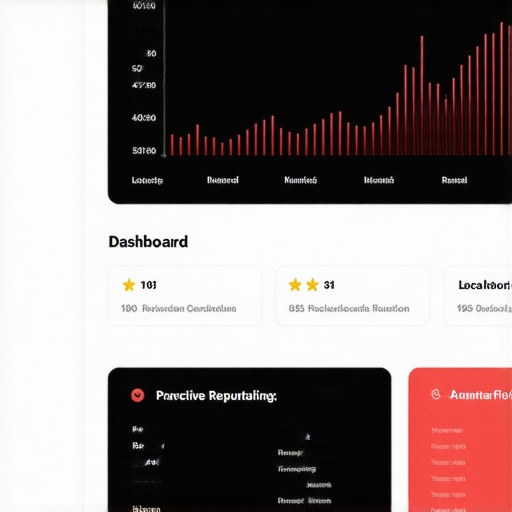
*Prompt:* A screenshot of a comprehensive local SEO dashboard showing rankings, reviews, and citation status, illustrating proactive reputation management.
Stay Ahead with Continuous Education and Updates
The SEO landscape evolves rapidly. I subscribe to industry newsletters like Search Engine Journal and Moz to stay informed. Additionally, I attend webinars from authoritative sources, such as reputation SEO essentials. These efforts help me incorporate the latest tactics, ensuring my strategies remain effective long-term.
A key point—consider tools like BrightLocal and SEMrush, which offer niche-specific features for local SEO and reputation tracking. Implementing a multi-tool approach allows for comprehensive coverage and minimizes blind spots.
Thinking about scaling your efforts? As your local presence grows, these tools and routines will form the backbone of your digital reputation maintenance. Consistency in monitoring, combined with data-driven adjustments, is the way forward. For example, leveraging AI-powered reputation analysis can uncover subtle trust signals that impact rankings—many overlook this until it’s too late.
**How do I maintain reputation SEO over time?** Regular audits, automation, and continuous learning are your best bets. I recommend trying out at least one automation script for citation checks or review alerts this month. The future points toward more integrated dashboards and AI-driven insights—getting comfortable now will pay dividends later. Remember, your reputation and rankings are a living entity that needs nurturing, not a set-and-forget task. Stay proactive, stay informed, and keep your local SEO thriving.
Lessons That Shifted My Perspective on reputation seo
One of the hardest lessons I learned was that not all reputation signals are created equal—trustworthiness and authenticity hold far more weight than just accumulating reviews. Early on, I believed that a high review count would automatically boost rankings, but I soon discovered search engines prioritize quality and relevance, leading me to focus on genuine brand-building efforts rather than shortcuts. Another eye-opener was realizing how easily fake reviews or negative search results can sabotage local rankings, reminding me to invest continuously in proactive reputation management. Finally, I learned that algorithm updates favor holistic strategies—integrating community engagement, credible backlinks, and consistent content—over isolated tactics, which truly transformed how I approach local SEO projects.