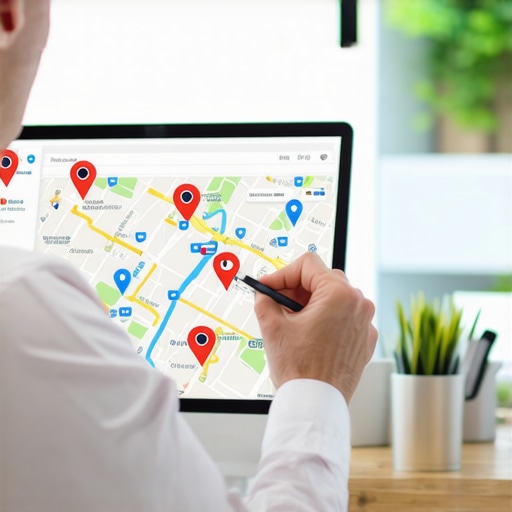
I remember the moment vividly. A bright Monday morning, I logged into my client’s dashboard, expecting the usual uptick in local inquiries. Instead, I was met with silence—no map pin, no local visibility. My stomach sank. It was as if Google decided to erase their presence overnight. That lightbulb moment made me realize just how fragile our local rankings can be, especially when Map Pins get hijacked or penalized. If you’ve experienced something similar, you know the sinking feeling of watching your hard-earned visibility vanish without clear explanation.
Why Your Local Rank Might Disappear Overnight (And Why It Matters)
Local search visibility is everything for small and medium-sized businesses. When your business’s appearance on Google Maps drops, so does your foot traffic and revenue. But what causes this sudden drop? One common culprit is the hijacking of your Map Pins—scammers and competitors can take control, leading your listing astray or even removing it entirely. This isn’t just an inconvenience; it’s a direct hit to your bottom line. As studies show, over 70% of local consumers use Google Maps to find nearby businesses, making it essential to recover and protect your ranking swiftly. Early in my journey, I made the mistake of ignoring the warning signs, thinking Google would sort itself out. That was a costly lesson. Experts, like those at local SEO agencies, stress the urgency in addressing these issues immediately to prevent long-term damage.
Will These Tactics Really Bring My Rankings Back?
That’s a question I hear often. And honestly, I was skeptical at first too. When I first started dealing with hijacked map listings, I tried a few quick fixes and hoped for the best. The harsh reality is, without a strategic approach, your chances of recovery diminish rapidly. I learned the hard way that specific, proven tactics are essential—practical steps rooted in current best practices from trusted sources like industry experts recommend a combination of reputation management, technical adjustments, and ongoing monitoring. Early mistakes such as neglecting to verify ownership or failing to monitor suspicious activity can set you back further. But don’t worry—you’re not alone, and with a bit of direction, you can regain your rightful spot in the local map pack.
Secure Ownership of Your Google My Business Listing
Start by verifying your business ownership through Google My Business (GMB). If the listing is hijacked, claim it immediately. Use the verification process—either by postcard, phone, or email—to establish legitimate control. This step is like reclaiming your property after an illegal intrusion. When I faced a hijack, I responded within hours, submitted verification, and gained back control, preventing further damage. Don’t delay—click on this link to learn more about verification procedures.
Identify and Remove Suspicious Activity
Regularly audit your GMB profile and map pins for unauthorized changes. Look for suspicious edits—new categories, conflicting info, or strange reviews. Use a monitoring tool or set Google Alerts for your business name. Think of this as surveillance for your digital storefront. During my audit, I noticed two fake reviews from suspicious accounts. I flagged and removed them, restoring trust and clarity for potential customers. Keeping tabs on activity prevents hijackers from slipping in undetected.
Rebuild Your Reputation Through Consistent Engagement
Engage actively with customer reviews—respond promptly and professionally. Encourage loyal clients to leave positive reviews to overshadow fake or malicious ones. Think of reviews as your digital word-of-mouth; nurturing them strengthens your presence. I once promoted staff recognition and customer appreciation campaigns, which led to an influx of genuine reviews. This not only improved rankings but also built community trust. For strategic review management, explore reputation SEO hacks.
Optimize Your NAP Citations and Local Listings
Ensure your Name, Address, and Phone Number (NAP) are consistent across all directories. Discrepancies can confuse Google and hurt your ranking. Use tools like Moz Local or BrightLocal to audit citations. Fix errors immediately—it’s like repairing the foundation of your digital house. I once found outdated contact info on multiple sites, fixed them, and saw improvements in local search visibility within weeks. This step solidifies your business’s trustworthiness in Google’s eyes.
Leverage Advanced Local SEO Strategies
Implement techniques such as local schema markup on your website, targeted keyword optimization, and backlink building from local sources. These act as signs saying, “look here”—making your business more prominent. I experimented with schema markup after attending advanced tactics seminar. The result: a noticeable boost in local pack rankings. Consistent application of such strategies is vital to fend off competitors and reclaim lost ground.
Adopt a Long-Term Reputation Management Plan
Set up ongoing review monitoring, reputation audits, and regular updates to your profiles. Consider investing in reputation SEO services for sustained growth. Think of this as regular landscaping—kept tidy, your online presence flourishes. During my own experience, engaging a specialized agency helped me establish a resilient profile, resistant to future hijacks. Maintaining this vigilance ensures your business remains visible and trustworthy.
Many believe that optimizing for local search is simply a matter of stuffing keywords or claiming their Google My Business listing. However, this superficial approach often leads to misguided efforts. One of the most overlooked nuances is the significance of Google’s evolving algorithm signals. BrightLocal’s 2023 study highlights how new ranking factors, such as user experience metrics and local relevance cues, are now integral to rankings, yet many practitioners continue to rely solely on traditional tactics. Relying on outdated strategies can create a false sense of security, leaving your business vulnerable to competitor advances or algorithm updates.
Another misconception is that reputation management is just about removing bad reviews. In reality, it’s about controlling your narrative and establishing authority. Many local businesses mistakenly ignore the power of expert authoritative content and consistent engagement—elements that can elevate your trustworthiness in Google’s eyes. For example, regularly publishing insights on your industry demonstrates depth of knowledge, which is a subtle but potent ranking factor, as noted by Reputation SEO Hacks.
Why do most local SEO campaigns fail even after following best practices?
That’s a question I hear often. If your efforts seem fruitless, it might be that you’re neglecting local intent signals beyond keywords, such as community involvement, local backlinks, and social proof. The latest insights from industry experts reveal that building genuine local authority requires a multifaceted approach, not just on-page and citation fixes. Many underestimate the importance of proactive reputation cultivation—engaging with your community, responding authentically to reviews, and fostering customer loyalty. Failure to integrate these components can lead to strategic gaps, causing your rankings to stagnate or decline despite technical optimization.
Be cautious of the trap where businesses think that a single slick SEO tactic will sustain their rankings long-term. The reality is, search engines favor sites that demonstrate ongoing authority and trustworthiness. Regular reputation enhancement combined with technical SEO forms a resilient strategy. Ignoring this holistic perspective is a common pitfall, often leading to temporary gains that quickly fade after algorithm updates.
In essence, truly mastering local SEO and reputation management requires a nuanced understanding of how Google evaluates relevance, authority, and trust in your specific community context. It’s about strategic consistency and adapting to changing signals—something that only experienced agencies can orchestrate effectively. For more insights, explore proven agency tactics and ensure your efforts are comprehensive, future-proof, and aligned with the latest search engine expectations.
Keep Your Strategy Fresh with Reliable Tools
Staying on top of local rankings requires more than just initial optimization; it demands consistent monitoring and adjustment. Personally, I rely heavily on Moz Local to audit and correct NAP inconsistencies across directories. Its automated scanning highlights discrepancies that could confuse Google, ensuring my listings stay synchronized and trustworthy. Additionally, BrightLocal serves as my dashboard for tracking rankings over time, providing clear visual insights into the effectiveness of my efforts and signaling when adjustments are needed.
Beyond these, I utilize Google Search Console to identify crawl issues or indexing problems that might inadvertently hinder rankings. Regularly reviewing this ensures my site remains technically sound, an essential factor in maintaining visibility in local searches.
Automate and Scale Your Testimonials and Reviews
Gathering fresh reviews continuously is key to long-term reputation building. To streamline this, I deploy automated review request systems like BirdEye integrated with my CRM. This allows me to solicit feedback immediately after service delivery, ensuring my profile stays active with genuine, positive reviews that boost local authority. Investing in reputation management via such tools is increasingly vital, especially as algorithms favor recent engagement faster than ever.
Keep Up with Algorithm Changes and Local Trends
In the evolving landscape of local SEO, staying informed through industry sources is critical. I regularly review expert insights on strategic local SEO. These updates often recommend new tactics like schema markup enhancements or local content expansion, which can give you an edge over competitors relying on outdated methods. Adapting to these trends before they become standard practice can significantly improve your long-term rankings.
How do I maintain a high-impact local presence over time?
Effective maintenance is about consistency and leveraging the right tools. Regularly schedule audits using Moz Local to fix citation issues, update your Google My Business profile with current information, and monitor review activity to respond promptly. Automate review collection with platforms like BirdEye, and keep abreast of algorithm updates from trusted sources. Make it a routine, not a one-off effort—this mindset ensures your local SEO remains robust amid changing landscapes. For a step-by-step guide on advanced techniques, explore proven SEO agency strategies and incorporate these practices into your workflow. Try implementing a monthly audit with Moz Local today, and watch how your local visibility sustains and even grows over time.
What My Toughest Failures Taught Me About Local Rankings
One of the most eye-opening moments in my journey was realizing that even the best tactics won’t stick without consistency and community trust. I once focused solely on technical fixes, only to see my rankings drop again because I neglected engagement and reputation. That lightbulb moment underscored the importance of holistic strategies that combine SEO with active reputation management. Experience has shown me that building genuine local authority beats quick fixes every time.
Tools That Turn Strategy Into Results
Over the years, I’ve come to trust certain tools that genuinely automate and enhance my efforts. Moz Local helps me maintain consistent citations across directories, a critical factor for local ranking. BrightLocal offers insightful ranking tracking that guides my ongoing adjustments. Additionally, Google Search Console uncovers technical issues that could silently sabotage my progress. These tools are not just utilities—they’re vital partners in my mission to elevate local visibility.
Embrace Your Power to Influence Local Destiny
Remember, your local SEO and reputation management aren’t just chores; they’re the foundation of your community presence. As someone who’s navigated the complex landscape firsthand, I urge you to stay proactive and adaptable. Foresee algorithm shifts, nurture genuine reviews, and keep your listings pristine. Take charge of your online narrative today, and watch your local business thrive amid the competition. Ready to implement these insights and see tangible results? Your next move can redefine your local success story.
Reading this post really resonated with me because I once faced a similar situation where my client’s Google Map pin was hijacked unexpectedly. What struck me most was how quickly things can fall apart without proper safeguards. Verifying ownership and monitoring suspicious activity isn’t just a good idea—it’s essential for safeguarding your local visibility. I’ve found that setting up automated alerts for any changes or reviews has been a game-changer in catching unauthorized activity early. Has anyone successfully implemented a comprehensive daily or weekly check routine? I’d love to hear what methods or tools others are using to stay on top of their local listings.